

The Use of Adhesives in the Furniture and Interior Design Industries
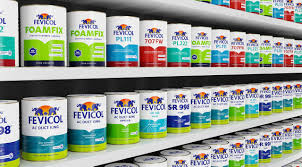
Today, over 70% of wood products are assembled using adhesives. Whether you are fixing a piece of old furniture or designing a fresh, functional interior, adhesives like wood epoxy and furniture glue get the bond done, saving you time and money. These adhesives are in every carpenter’s toolkit and homeowners should keep them on hand, too.
Strong, reliable and efficient, wood epoxy and furniture glue make work easier for professionals and DIY enthusiasts. In this blog, we will explore how adhesives are used in furniture and interior design. And, walk you through the bonding technology to help you choose the right adhesive for your woodworking projects.
What Are the Main Applications of Adhesives for Wood in Furniture Making?
Adhesive for wood is used in several stages of furniture making, from assembly to finishing. Whether you are creating a new piece of furniture or giving an old one a makeover, furniture glue and wood epoxy ensure your pieces stay strong and last longer.
Here is where they are commonly used:
- Joinery: Wood epoxy is often used to bond joints in furniture pieces, providing strength and stability. It is ideal for simple wood joints or complex laminate bonding.
- Laminating: Wood epoxy excels at creating multi-layered surfaces like countertops and tabletops. It secures the layers together while providing a smooth, durable finish.
- Edge Banding: When bonding edge bands to wood panels, furniture glue ensures a strong bond that improves both the look and durability of the final piece.
How Does Edge Banding Work with Furniture Glue?
Edge banding covers the raw edges of wood panels, giving them a clean, finished look. Furniture glue plays an important role in securing the edge banding to the wood. This process is especially important for:
- Preventing moisture damage
- Enhancing the overall appearance of the piece
- Increasing durability
Here, furniture glue is effective because it dries clear and bonds quickly, making the process fast and seamless.
What Are the Advantages of Using Wood Epoxy for Furniture?
Epoxy adhesive for wood is one of the strongest glue for repairs. Whether it is fixing cracks, splits or chips, it ensures a solid, long-lasting repair.
Here are the key benefits of using wood epoxy for furniture:
- Strength: It fills gaps and cracks, making the repair even stronger than the original wood.
- Waterproof: Perfect for wood exposed to moisture.
- Durability: Once cured, wood epoxy is resistant to wear and tear, ensuring your furniture remains strong.
If you have new furniture to make or an old one that has seen better days, wood epoxy can give it life with a seamless, durable fix.
What Are the Benefits of Using Adhesives for Wood in Interior Design?
In interior design, furniture glue or adhesives for wood are used for more than just furniture. They are also perfect for wall panels, flooring and even mirrors.
Here is how adhesives help in interior design:
- Bonding Wall Panels: Adhesives keep decorative panels in place without visible fasteners, ensuring a clean, polished look.
- Flooring: Wood epoxy and furniture glue are commonly used to secure wooden floors and other decorative finishes.
- Mirrors and Glass: In interior design, adhesives bond mirrors and glass to wooden frames, providing a sleek, invisible attachment.
These adhesives enable seamless designs and offer flexibility in modern interior projects.
